Bangladesh secures 19% US tariff and exemption for some apparel made with US material

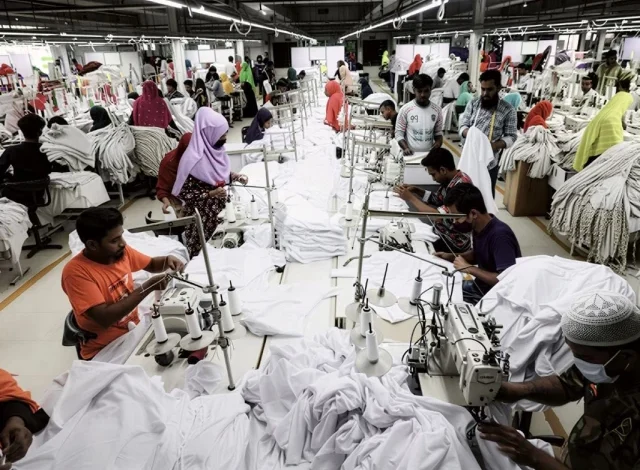
Bangladesh cut US tariffs to 20% last August from 37%, easing pressure on apparel exporters
Workers operate at the sewing section of a factory, in Narayanganj, Bangladesh, November 18, 2025.PHOTO: REUTERS
Bangladesh has secured a reduced 19% US tariff under a trade agreement signed between the two countries on Monday that will exempt some textiles and garments manufactured using US material, interim leader Muhammad Yunus said in a post on X.
Washington had “committed to establishing a mechanism for certain textile and apparel goods from Bangladesh using US-produced cotton and man-made fibre to receive zero reciprocal tariff in the US market,” Yunus wrote. Yunus serves as chief adviser to Bangladesh’s interim government.
Yunus said negotiations on the agreement had lasted nine months, beginning in April last year.
Bangladesh, US sign reciprocal tariff agreement
WASHINGTON DC, February 9: The Agreement on Reciprocal Tariff between Bangladesh and the United States was signed on Monday. On the Bangladesh side, the signatories were Commerce Adviser Sheikh Bashir Uddin and National Security…
— Chief Adviser of the Government of Bangladesh (@ChiefAdviserGoB) February 9, 2026
The White House, the Treasury Department and the Office of the US Trade Representative did not immediately respond to requests for comment.
Bangladesh last August secured a reduction in US tariffs on its exports to 20%, down from an initially proposed 37%, providing much-needed relief to the country’s apparel exporters.
The ready-made garments sector is the backbone of Bangladesh’s economy, accounting for more than 80% of total export earnings, employing around 4 million workers and contributing about 10% to gross domestic product.
Earlier this month, US President Donald Trump announced a trade deal with neighbouring India to cut tariffs to 18% from 50% in exchange for New Delhi halting Russian oil purchases and lowering trade barriers.
Bangladesh goes to the polls on Thursday to elect new leadership after being governed by an interim administration since August 2024, when former prime minister Sheikh Hasina fled to India, where she remains.